The City Council will conduct a city diagnosis regarding unwanted loneliness
June 13, 2025
Councilor Ana Suárez Guerra announced that a map will be created to identify particularly sensitive areas and define the detection of cases
The City of Avilés aims to conduct a baseline diagnosis on loneliness in people over 75 years in the municipality of Avilés and establish a circuit and a protocol for the individual detection and diagnosis of those elderly individuals experiencing loneliness. It also plans to form alliances with different agents and sectors of Avilés society, especially with the Health Service.
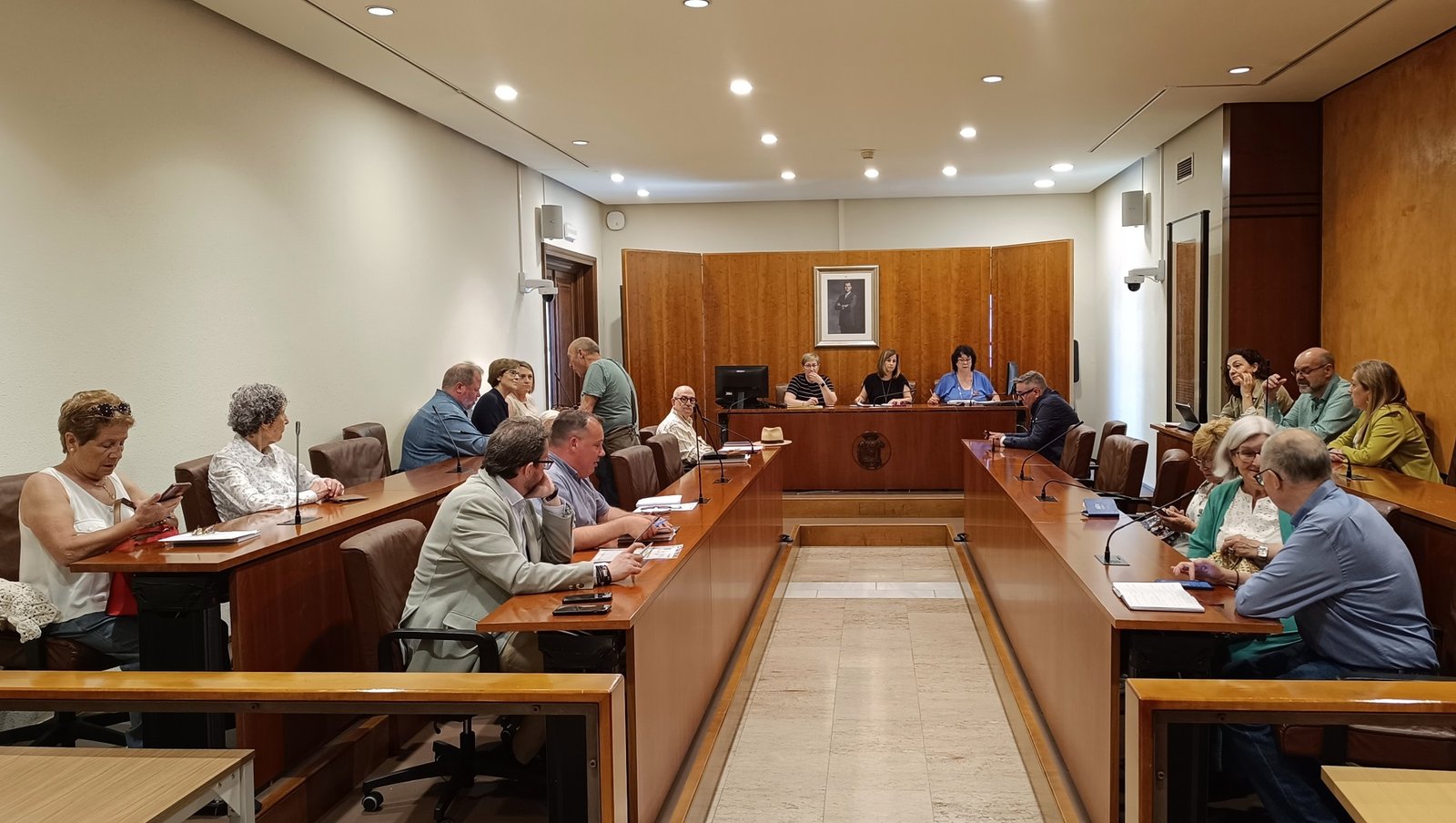
This was communicated by the Councilor for Seniors and Healthy City, Ana Suárez Guerra, at the Elderly Council meeting held in the Council Chamber.
The Avilés Elderly Council, chaired by Councilor Ana Suárez Guerra, is comprised of representatives from senior centers and residences in the city, neighborhood associations, political party representatives, and government officials. Today, the first association specifically for elderly people in Avilés was introduced. The ‘Amiganza Association’ was congratulated by the councilor, who pledged to consider their suggestions and contributions when designing municipal programs.
Ana Suárez Guerra emphasized that combating unwanted loneliness is a top priority for her department, as evidenced by the increase in both the number and budget of programs aimed at this objective. "In our last Council meeting, we discussed the need to improve the quality of life for seniors, outlining different strategies through identification and diagnosis, social awareness, prevention, and various lines of action: some more interventionist, and others more linked to social activism, support, and the creation of networks through community action and, of course, politics," she said.
In this regard, and to reach the maximum number of people, in addition to the information that can be obtained from home care services and telecare, efforts are being made to identify those most severe cases, "a segment of the elderly population that is challenging to reach: those socially isolated individuals, a reality that this government is determined to address," the councilor noted.
Diagnostic Study
Within the framework of the regional strategy, the Seniors Council is addressing unwanted loneliness through four distinct lines:
- Diagnosis and identification.
- Awareness and communication.
- Prevention.
- Intervention.
To ensure that seniors are integrated into society and to raise awareness among the population about this need and obligation, as has been done since Avilés was declared an age-friendly city, communication and awareness will play a crucial role. A publicity campaign will be launched to promote programs combating loneliness through brochures, flyers, leaflets, social media, websites, etc.
It is also essential to raise awareness about the issue of unwanted loneliness and the efforts being made to combat it, which is why the Week of the Elderly will be celebrated from September 30 to October 2.
Ana Suárez Guerra highlighted the importance of prevention in addressing loneliness, a line of work that is already underway with two programs:
"Reduction of the impact of unwanted loneliness in dependent seniors" is a comprehensive program that includes various activities aimed at delaying or reducing situations of dependency and unwanted loneliness in seniors. It involves both group and individualized actions (€45,000).
"Community integration for lonely seniors" is a program that provides support to seniors experiencing unwanted loneliness with indicators of isolation risk. This project seeks to meet the inclusion and social and community participation needs of seniors facing unwanted loneliness and isolation, from a person-centered care perspective, intervening based on their interests, needs, and demands. It involves accompanying lonely seniors with people and resources from their environment, creating support networks, links in the community, and reducing or eliminating loneliness and isolation, while promoting their social and community participation. It also includes accompanying them to community resources for daily living tasks to enhance the success of the intervention (€45,000).
At the Elderly Council meeting, Ana Suárez Guerra also mentioned the interventions already being carried out by the City Council through grants, such as an increase in the nominative grant for formal volunteering and a program for detecting fragility and loneliness in seniors (€63,000). Additionally, a new line of competitive grants has been created for neighborhood entities to implement projects to combat unwanted loneliness and for entities conducting projects with volunteers.
Physical activity is also crucial for the health of seniors, which is why the ‘Move for Your Health’ contract has seen an increase from €25,000 to €50,000, with the addition of two new, more inclusive lines (park monitors and walk at your own pace).
Efforts will also focus on implementing the ‘Avilés Radar’ program, which aims to engage neighborhood communities, neighborhood associations, social and cultural entities in detecting cases of seniors experiencing unwanted loneliness. The goal is for volunteers to identify individuals at risk of loneliness in their environment (such as those living alone or lacking close family support) and integrate them into ongoing programs.
This community project seeks to create a sensitive and respectful network that enables the prevention, detection, and intervention of loneliness, involving everyone in collective life," explained the councilor, who heads a department with a specific council due to the aging population in the municipality, a consequence of increased life expectancy, but also posing risks such as loneliness.
Excursions will be organized in collaboration with neighborhood associations through citizen participation, specifically targeting seniors. This highly sought-after activity has seen its budget increase from €10,000 to €20,000. Plans are also in place for promotional actions, cultural activities, and encounters between young and elderly people sharing common interests (€10,000).
Activities promoting intergenerational learning between vocational students and senior centers in the city, which have been very successful, will continue.
Engagement in festivities and cultural activities also helps prevent loneliness, so support will be provided for the participation of elderly residents from public centers in the city in festive activities.
Efforts will also be made to bridge the digital divide by providing digital training to seniors, enabling them to acquire technological skills appropriate for their age and stay connected with their environment.